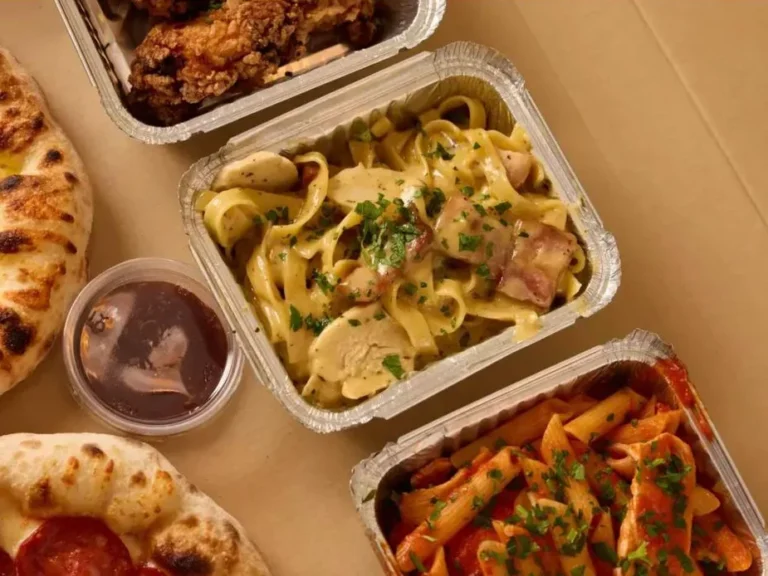
UK food inflation was running at 4.5% in the year to December 2025. That doesn’t arrive as one big invoice. It turns up as 10p on the mince, 20p on the cheese, a bit more on the oil. Each one is easy to ignore, and together they take your margin.
What a 6% rise does to one dish
£4.10 food cost, £15.95 menu price.
Food cost up 6% to £4.35. Same £15.95 menu price.
That’s one dish. Most menus have 20 or more, all drifting at once.
How much is not knowing your GP costing you?
Slide to your weekly food takings and the GP you think you’re running at.
left on the table against a 70% GP target
Based on takings including VAT at 20%, compared with a 70% food GP. An estimate, not a forecast.
Signs it’s time to raise prices
- Your overall GP has dropped for two or three months running
- A key ingredient has gone up more than 5%
- Dishes that used to hit target are now showing below it
- You haven’t reviewed menu prices in over six months
How to put prices up without losing customers
- Find which dishes movedCheck each dish against current invoice prices. Only some will need to change.
- Work out the target priceFood cost ÷ (1 − target GP) × 1.2. Round to a sensible menu price.
- Go small and regularA 50p rise twice a year lands better than £1.50 in one go.
- Look at the plate, not just the priceA cheaper garnish, a different side or a tighter portion of the costly part can fix margin with no price change.
- Change with a new menuPrice changes feel natural alongside a seasonal menu or new dishes.
- Tell your team whyStaff who understand the reason explain it better when customers ask.
Don’t put every price up by the same amount. Rises should follow costs. A flat 10% across the menu overcharges on some dishes and still leaves others below target.
Key points
- Small supplier rises add up to big annual losses
- Track ingredient prices against your last invoice
- Reprice dish by dish, based on real cost
- Fix the plate first where you can
DishProfit flags every supplier price rise
Update a price from your invoice and DishProfit shows the change against the last one, updates every dish that uses it, and lists the biggest rises on the dashboard. The “what if prices go up” test shows the impact before it hits.
- Price change tracking per ingredient
- Every affected dish updates instantly
- New target price for each dish